SEO & AI-Powered Search Optimization: How to Win Visibility in the Age of Intelligent Search
Introduction: SEO Has Changed—But It Hasn’t Disappeared
Search engine optimization is not dead—but it has fundamentally evolved.
In 2026, search engines are no longer simple directories of links. They are intelligent systems powered by machine learning, natural language processing, and large-scale user behavior analysis. AI-driven search now interprets intent, context, credibility, experience, and usability before deciding which content—or which digital experience—to surface or summarize.
This shift has changed what it means to “optimize for search.”
SEO & AI-powered search optimization is no longer about gaming algorithms. It’s about creating clear, credible, user-first experiences that search engines can confidently understand, trust, and recommend.
This includes content, UX, technical performance, and increasingly—e-commerce design.
This page explains how modern SEO works, how AI impacts search visibility, and how to build a future-proof search strategy.
What Is AI-Powered Search Optimization?
AI-powered search optimization is the practice of aligning SEO strategy with how modern search engines interpret, evaluate, and present information using artificial intelligence.
Unlike traditional search, AI-driven systems:
-
Understand meaning, not just keywords
-
Evaluate content quality, trust, and experience
-
Pull direct answers into summaries
-
Prioritize user experience and engagement
-
Reward topical authority, not isolated pages
SEO still matters—but the rules have matured.
How AI Has Changed Search Behavior
Search engines now behave more like intelligent assistants than index-based libraries.
Key changes in AI-driven search include:
-
Queries are more conversational and intent-driven
-
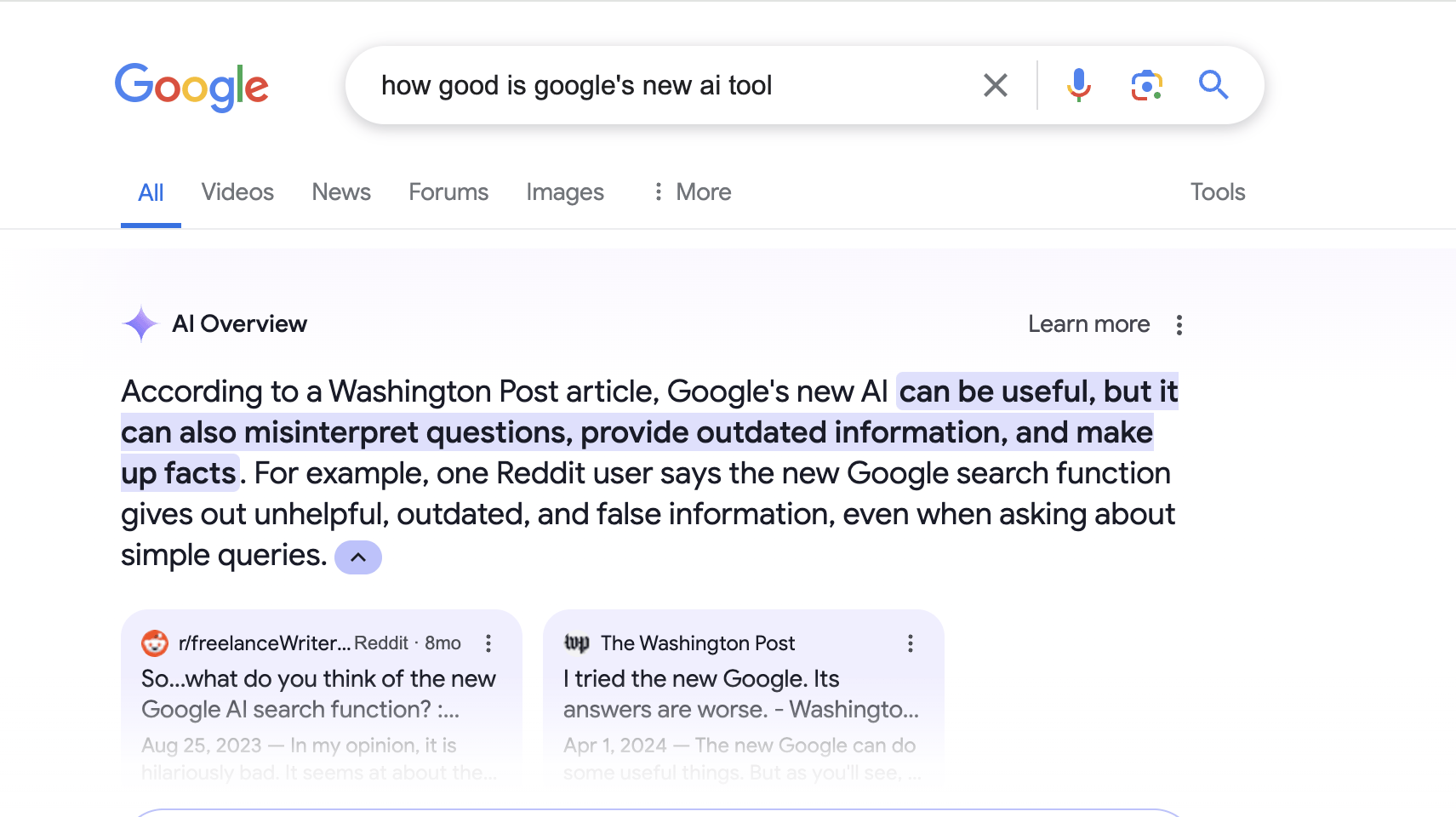
Results often include AI-generated summaries
-
Fewer clicks go to low-quality or confusing pages
-
Authority and clarity outweigh keyword density
-
Search engines synthesize answers from multiple trusted sources
This means visibility isn’t just about ranking—it’s about being trusted enough to be referenced.
SEO vs AI Search: What Still Matters (and What Doesn’t)
What Still Matters
-
High-quality, original content
-
Clear topical focus
-
Logical site structure
-
Fast, accessible pages
-
Internal linking and hierarchy
-
Demonstrated expertise and credibility
What Matters Less
-
Keyword stuffing
-
Thin content
-
Isolated blog posts
-
Manipulative link tactics
-
Writing for algorithms instead of users
AI-powered search rewards helpful clarity, not tricks.
Search Intent Is the New Keyword Strategy
Modern SEO begins with search intent, not keyword lists.
AI systems categorize intent as:
-
Informational (learn)
-
Navigational (find)
-
Transactional (act)
-
Comparative (evaluate)
Content that fails to match intent—even if it includes the “right” keywords—will struggle to perform.
Best practice:
Create pages that solve one clear intent completely, rather than trying to rank for everything at once.
Where E-Commerce Design Fits Into AI-Powered Search
E-commerce SEO is no longer just about product keywords and category pages.
AI-driven search evaluates the entire shopping experience.
Search engines now assess:
-
Product page clarity and completeness
-
Navigation and findability
-
Mobile usability and performance
-
Checkout friction and trust signals
-
Engagement and behavior patterns
If users struggle to browse products, compare options, or complete a purchase, AI systems interpret that as a poor experience—and visibility suffers.
Modern E-Commerce Design Is SEO
High-performing e-commerce sites are built around:
-
Clear product architecture and categories
-
UX-driven product pages (not cluttered templates)
-
Scannable content and structured data
-
Fast load times and mobile-first layouts
-
Frictionless cart and checkout flows
In the age of AI search, e-commerce design, UX, SEO, and CRO are inseparable.
Search engines reward stores that make buying easy—not just pages that exist.
Topical Authority: The Backbone of AI Search Visibility
AI-powered search favors sites that demonstrate depth and consistency.
Topical authority is built by:
-
Creating pillar pages
-
Supporting them with related content
-
Internally linking strategically
-
Covering a subject holistically
This applies to e-commerce as well. A single product page won’t build authority—but a well-structured ecosystem of:
-
Category pages
-
Buying guides
-
FAQs
-
Comparison content
-
UX-optimized product layouts
…signals expertise and trust.
Content Optimization for AI-Driven Search
AI search engines evaluate how easily content can be understood, reused, and summarized.
Structuring content for AI:
-
Clear H1, H2, H3 hierarchy
-
Short, direct paragraphs
-
Lists and bullet points
-
Plain, precise language
-
Definitions near the top of the page
This structure benefits blog content, service pages, and e-commerce product content alike.
Well-structured content increases:
-
Featured snippets
-
AI summary inclusion
-
Zero-click visibility
-
User engagement
E-E-A-T and Trust Signals Matter More Than Ever
Experience, Expertise, Authoritativeness, and Trustworthiness are core to AI evaluation.
Trust signals AI looks for:
-
Real authorship and accountability
-
Demonstrated hands-on experience
-
Updated, accurate content
-
Transparent business information
-
Consistent topical focus
-
Engagement and behavior signals
For e-commerce sites, this also includes:
-
Clear product information
-
Reviews and social proof
-
Secure checkout experiences
-
Consistent branding and messaging
AI-powered search is cautious. It prefers reliable experiences over flashy ones.
UX and Technical SEO in the Age of AI
UX is no longer adjacent to SEO—it is SEO.
Search engines monitor:
-
Page speed
-
Mobile usability
-
Accessibility
-
Layout stability
-
Engagement patterns
Poor UX weakens trust signals and reduces visibility in AI-driven results.
Key UX-focused SEO practices:
-
Mobile-first layouts
-
Clear navigation and product discovery
-
Readable typography
-
Fast load times
-
Accessible design standards
This is especially critical for e-commerce conversion paths.
AI Search, Zero-Click Results, and E-Commerce Visibility
AI summaries increasingly answer questions without a click.
For e-commerce brands, this affects:
-
Product discovery
-
Comparison searches
-
Buying research
Why visibility still matters:
-
Brand awareness increases
-
Authority is reinforced
-
Users often return later to purchase
-
Decision-makers remember trusted sources
The goal isn’t just traffic—it’s presence, credibility, and eventual conversion.
Content Types That Perform Best in AI-Powered Search
AI-driven search prioritizes content that explains, compares, or guides.
High-performing formats include:
-
Evergreen guides
-
How-to content
-
FAQs
-
Definitions
-
Strategic explainers
-
Thought leadership
For e-commerce, this includes:
-
Buying guides
-
Product comparisons
-
Educational content that supports purchasing decisions
These formats are easier for AI to extract, summarize, and reference.
SEO, AI, Conversion Optimization, and E-Commerce
Visibility without conversion is wasted effort.
AI-powered search often introduces users earlier in the buying journey. UX and CRO must finish the job.
Successful SEO and e-commerce pages:
-
Set clear expectations
-
Guide users naturally
-
Reduce friction
-
Offer logical next steps
This is where SEO, UX, CRO, and e-commerce design converge into a single strategy.
Common SEO Mistakes in the AI Search Era
-
Chasing keywords instead of intent
-
Publishing thin or templated content
-
Ignoring internal linking
-
Treating e-commerce UX as secondary
-
Over-relying on tools instead of strategy
AI filters shallow experiences aggressively.
How to Build a Future-Proof SEO & AI Search Strategy
Step 1: Define Core Topics
Choose areas where expertise is real and sustainable.
Step 2: Create Pillar Content
Develop comprehensive, evergreen pages.
Step 3: Support With Related Articles & UX Pages
Include guides, FAQs, and e-commerce support content.
Step 4: Optimize for Clarity and Trust
Structure content and experiences for humans first.
Step 5: Measure Outcomes, Not Rankings
Track engagement, assisted conversions, and long-term value.
Ready to upgrade your website?
Let’s build a website that works as hard as you do.